
Health Benefits of Cardamom — Science-Backed
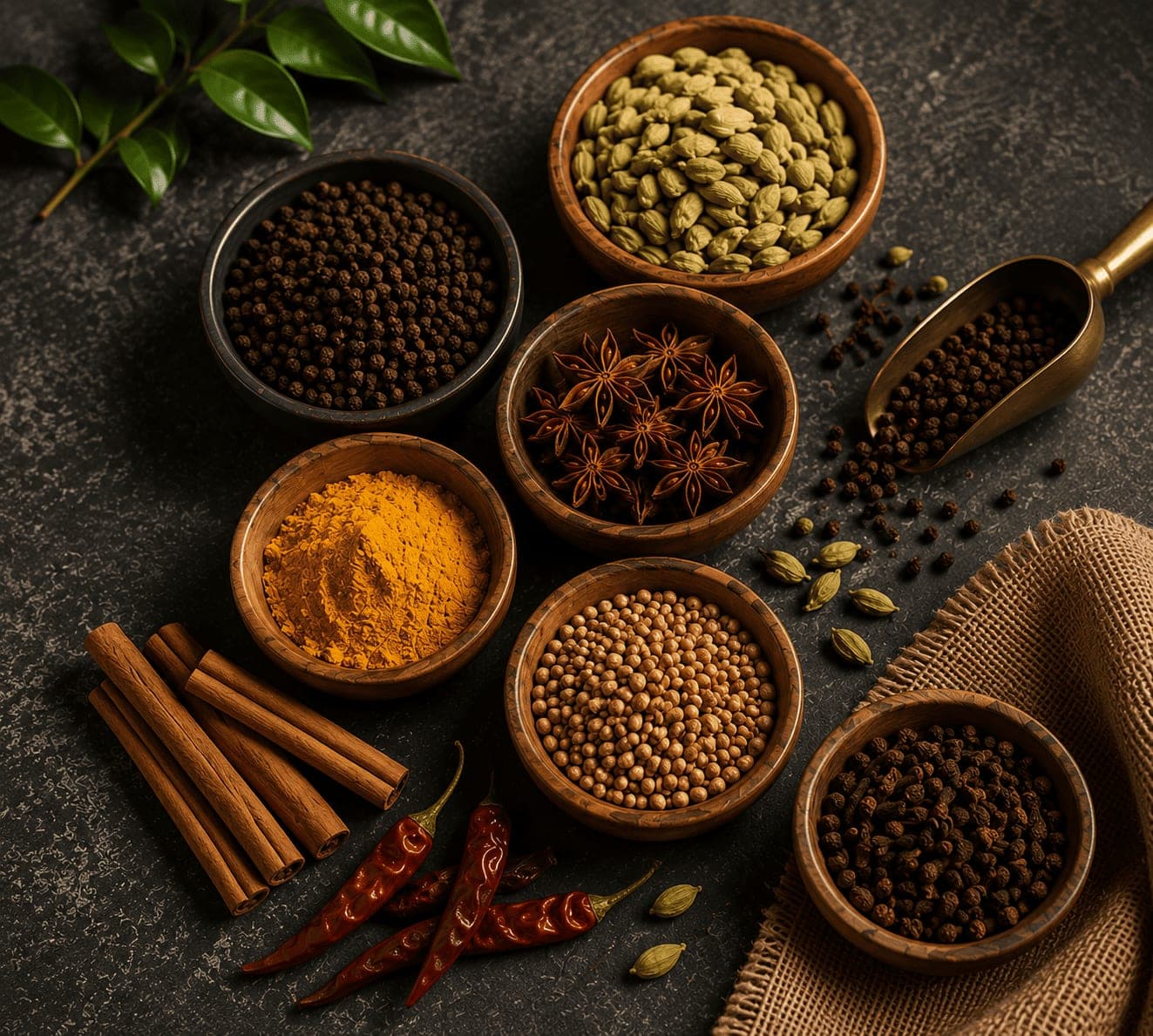
Cardamom has been treasured for centuries not only for its rich aroma and distinctive flavour but also for its remarkable health-promoting properties. Known as the 'Queen of Spices,' cardamom is a staple in Indian kitchens, herbal remedies, and traditional medicine systems such as Ayurveda.
Modern scientific research has begun to validate many of these traditional uses, showing that cardamom contains bioactive compounds with antioxidant, anti-inflammatory, antimicrobial, and digestive benefits.
Whether you're adding it to tea, curries, desserts, or smoothies, incorporating cardamom into your diet can contribute to your overall well-being. In this guide, we'll explore the nutritional profile of cardamom, the science behind its health benefits, practical ways to use it daily, and important precautions to keep in mind.
What Makes Cardamom So Healthy?
Cardamom pods are packed with naturally occurring compounds that contribute to their health benefits. Some of the key active components include:
- •Cineole (Eucalyptol)
- •Terpinyl acetate
- •Limonene
- •Linalool
- •Flavonoids
- •Phenolic compounds
These compounds act as antioxidants and help protect the body's cells from damage caused by free radicals.
Nutritional Value of Cardamom
Although cardamom is typically consumed in small amounts, it contains several beneficial nutrients, including:
- •Dietary fibre
- •Calcium & Iron
- •Magnesium & Manganese
- •Potassium
- •Vitamin C (small amounts)
- •Aromatic essential oils
Its concentrated essential oils are responsible for much of its aroma and many of its therapeutic properties.
1. Rich in Antioxidants
One of the most significant health benefits of cardamom is its high antioxidant content. Antioxidants help neutralize harmful free radicals that can damage cells and contribute to aging and chronic diseases. Research suggests that the polyphenols and flavonoids in cardamom may help reduce oxidative stress, supporting overall health.
2. Supports Healthy Digestion
Cardamom has long been used to ease digestive discomfort. It may help:
- •Reduce bloating and build-up of gas
- •Relieve stomach cramps and gas symptoms
- •Improve digestion flow and support healthy gut function
- •Reduce stomach discomfort after heavy meals
Many people enjoy chewing a cardamom pod after eating or adding it to herbal tea for digestive support.
3. May Help Maintain Healthy Blood Pressure
Some studies indicate that cardamom may support healthy blood pressure levels, particularly when combined with a balanced diet and healthy lifestyle. This effect may be linked to its antioxidant properties and naturally occurring potassium, which plays a role in regulating blood pressure. Note: Cardamom should not replace prescribed medication for hypertension.
4. Supports Heart Health
Heart health depends on several factors, including blood pressure, cholesterol, inflammation, and oxidative stress. The antioxidant compounds in cardamom may contribute to cardiovascular health by helping reduce inflammation and protecting blood vessels from oxidative damage. A heart-friendly diet that includes spices like cardamom can be part of a healthy lifestyle.
5. Natural Breath Freshener
One of the oldest uses of cardamom is as a natural mouth freshener. Chewing cardamom pods after meals may help:
- •Freshen breath and clear strong food aromas
- •Reduce unpleasant odours naturally
- •Stimulate saliva production for oral hygiene
Cardamom's pleasant aroma is one reason it is commonly served after meals in many cultures.
6. May Have Antibacterial Properties
Laboratory studies have shown that certain compounds in cardamom essential oil possess antimicrobial properties. These properties may help inhibit the growth of some bacteria and fungi under laboratory conditions. However, more human studies are needed before drawing firm conclusions.
7. Supports Respiratory Comfort
Traditional medicine has long used cardamom to support respiratory health. Its aromatic compounds may provide a soothing sensation and are commonly included in herbal preparations intended to promote respiratory comfort. Many people add crushed cardamom to warm tea during colder months.
8. May Help Reduce Inflammation
Chronic inflammation has been linked to numerous health conditions. The antioxidants present in cardamom may help reduce inflammation in the body. While research is ongoing, incorporating antioxidant-rich foods into your diet is generally considered beneficial.
9. May Help Regulate Blood Sugar
Some early research suggests that cardamom may have a positive effect on blood sugar regulation. However, the current evidence is still limited, and cardamom should not be viewed as a treatment for diabetes. A balanced diet, regular exercise, and medical guidance remain the cornerstones of diabetes management.
10. Rich Source of Essential Oils
Cardamom contains naturally occurring essential oils that contribute to both its aroma and health benefits. These oils are widely used in:
- •Herbal teas and infusions
- •Aromatherapy preparations
- •Natural personal care products
- •Traditional wellness practices
11. Supports Healthy Metabolism
Although cardamom is not a weight-loss miracle, adding flavorful spices to meals can encourage healthier eating habits by reducing the need for excessive salt or sugar. Its aromatic compounds may also stimulate digestion, contributing to efficient nutrient utilization.
12. Helps Enhance Flavor Without Extra Calories
Cardamom is naturally low in calories but rich in flavor. This makes it an excellent ingredient for:
- •Healthy desserts & fruit salads
- •Morning smoothies & protein shakes
- •Oatmeal & porridge bowls
- •Yogurt toppings
- •Herbal teas
A small amount can significantly enhance taste without adding sugar or unhealthy fats.
How to Use Cardamom Every Day
Adding cardamom to your routine is simple. Here are some popular ways:
In Tea
Crush one or two pods and add them while brewing tea for a fragrant, refreshing beverage.
In Coffee
Many Middle Eastern coffee recipes include cardamom for added depth and aroma.
In Rice Dishes
Whole cardamom pods are commonly used in biryanis and pulao.
In Baking
Ground cardamom pairs wonderfully with cakes, cookies, muffins, and bread.
In Smoothies
A pinch of ground cardamom adds warmth and complexity to fruit-based smoothies.
In Desserts
Cardamom enhances traditional Indian sweets like kheer, payasam, and halwa.
Choosing High-Quality Cardamom
To enjoy the best flavor and aroma, look for:
- •Bright green pods without blemishes
- •Uniform pod size and shape
- •Strong, immediate natural fragrance
- •Well-filled capsules with dark seeds
- •Clean, secure packaging
Whole pods retain their flavor much longer than pre-ground cardamom. Premium cardamom sourced from the spice-growing hills of Idukki, Kerala, is widely appreciated for its freshness and essential oil content.
How to Store Cardamom
Proper storage helps preserve freshness. Store cardamom:
- •In an airtight container (glass works best)
- •Away from direct sunlight
- •In a cool, dry place
- •Away from any moisture contact
Whole pods can maintain their aroma for many months when stored correctly.
Are There Any Side Effects?
Cardamom is generally considered safe when consumed as part of a normal diet. However:
- •People with known spice allergies should exercise caution.
- •Excessive consumption may cause mild digestive discomfort in some individuals.
- •If you have a medical condition or are taking medication, consult your healthcare provider before using large amounts of herbal products.
Frequently Asked Questions
Is it healthy to eat cardamom every day?
For most people, moderate amounts of cardamom used in cooking or beverages are considered safe and can be part of a healthy diet.
Does cardamom help with digestion?
Cardamom has traditionally been used to support digestion, and some research suggests it may help relieve bloating and digestive discomfort.
Is green cardamom healthier than black cardamom?
Both varieties have unique properties, but green cardamom is more commonly used for everyday cooking and is known for its delicate, sweeter aroma.
Can cardamom help with weight loss?
Cardamom alone will not cause weight loss, but it can be included as part of a balanced, healthy eating pattern.
Should I use whole pods or powder?
Whole pods retain their flavor and aroma longer. Grinding them just before use provides the freshest taste.
Conclusion
Cardamom is much more than a fragrant spice—it is a remarkable ingredient that combines exceptional flavor with a wide range of potential health benefits. Rich in antioxidants and bioactive compounds, it has been valued for centuries in traditional cuisines and wellness practices. Modern research continues to explore its role in supporting digestion, heart health, oral hygiene, and overall well-being.
While cardamom should never be considered a replacement for medical treatment, incorporating it into a balanced diet is a delicious and practical way to enjoy its natural goodness. Whether brewed in tea, added to curries, baked into desserts, or blended into smoothies, cardamom brings both taste and wellness to everyday meals.
At Spize Spices, we source premium-quality cardamom from the lush hills of Idukki, Kerala, where ideal growing conditions help produce aromatic, flavourful pods that reflect the region's rich spice heritage.
Cardamom Knowledge Hub & Sourcing
Related Guides
Product Portfolio
Corporate Sourcing
Source Premium Idukki Cardamom
We work directly with local farms in Kerala to grade, dry, and export the finest bold green cardamom pods worldwide.