
How to Store Cardamom to Preserve Freshness
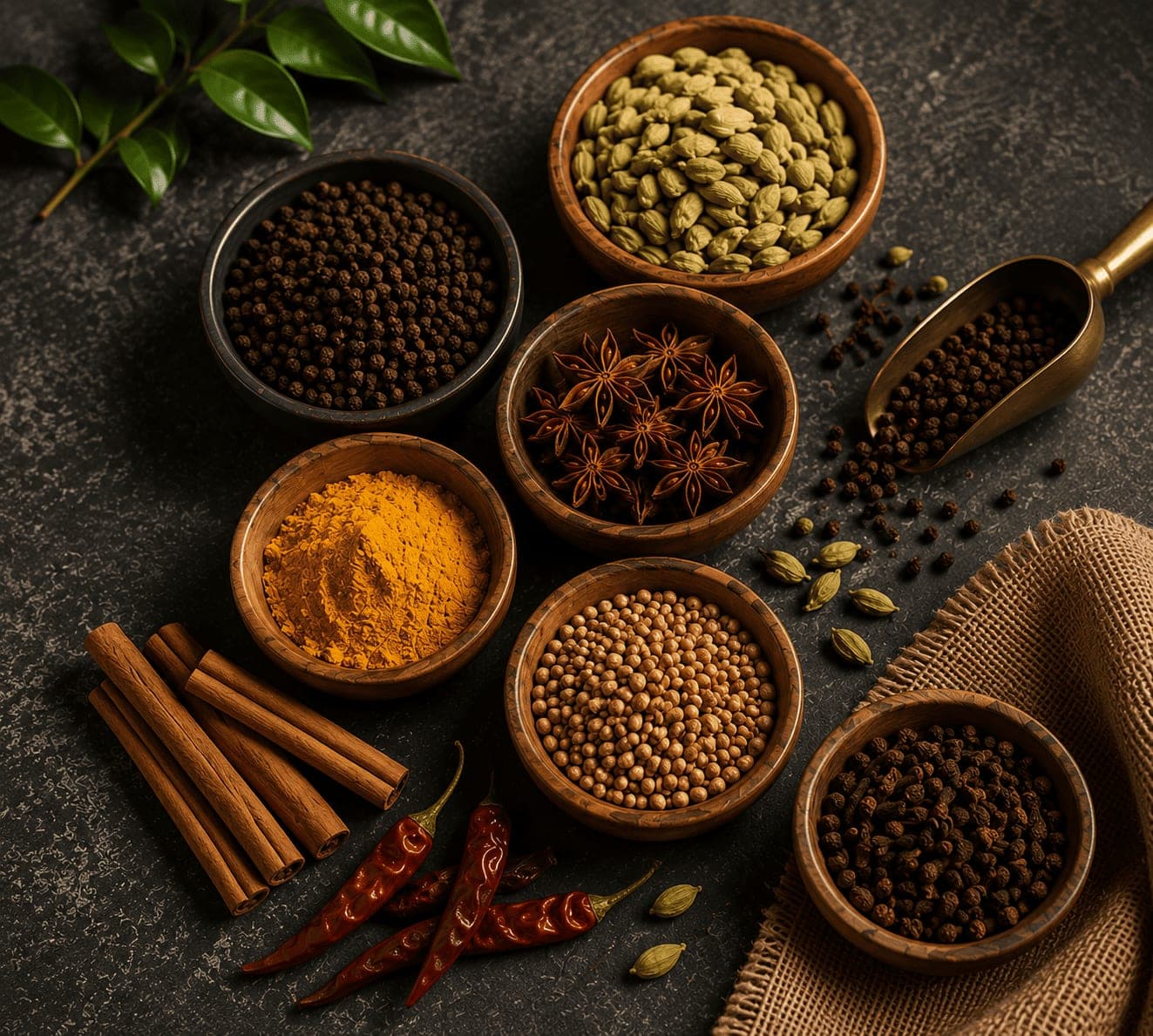
Cardamom is one of the world's most aromatic spices. Its sweet, citrusy fragrance and warm flavour make it an essential ingredient in Indian cuisine, Middle Eastern coffee, Scandinavian baking, and countless spice blends. However, even the finest cardamom can lose its aroma if it is not stored properly.
Whether you've purchased a small pack for home cooking or a bulk quantity for your business, knowing how to store cardamom is the key to preserving its quality. Proper storage protects the spice's natural essential oils—the compounds responsible for its unique flavour and aroma.
In this guide, you'll learn the best storage practices, common mistakes to avoid, expected shelf life, and how to keep your cardamom fresh for as long as possible.
Why Proper Storage Matters
The flavour of cardamom comes from volatile essential oils such as cineole and terpinyl acetate. These oils gradually evaporate when exposed to air, moisture, heat, sunlight, and frequent handling.
As these oils diminish, the spice becomes less fragrant and less flavourful. While old cardamom may still be safe to consume, it won't deliver the rich taste expected from premium-quality pods.
Proper storage helps maintain natural aroma, fresh flavour, bright green colour, essential oil content, and shelf life.
Whole Cardamom vs Ground Cardamom
Before discussing storage methods, it's important to understand the difference between whole and ground cardamom.
Whole Cardamom Pods
Whole pods naturally protect the seeds inside. The outer shell acts as a barrier against air and moisture, helping retain flavour for much longer. If possible, always buy whole cardamom and grind the seeds only when needed.
- •Much longer shelf life
- •Better retention of volatile aromatic compounds
- •Fresher taste upon grinding
- •Minimal exposure to oxidation
Ground Cardamom
Ground cardamom offers convenience but loses flavour more quickly because the protective pod has been removed. Once ground, a larger surface area is exposed to oxygen, causing essential oils to evaporate faster. For recipes requiring the freshest flavour, freshly ground cardamom is always the better choice.
Best Container for Storing Cardamom
Choosing the right container is one of the easiest ways to extend freshness. Recommended container types include:
- •Glass Airtight Jars: Glass prevents moisture from entering, does not absorb odours, and protects against air exposure. Amber or dark-coloured glass provides additional protection from light.
- •Food-Grade Steel Containers: High-quality stainless steel containers are durable, non-reactive, and help preserve flavour when sealed properly.
- •Vacuum-Sealed Bags: If purchasing cardamom in bulk, vacuum packaging reduces contact with oxygen and extends shelf life before opening. Transfer to airtight containers after opening.
Where Should You Store Cardamom?
The ideal storage location is cool, dry, dark, and away from strong-smelling foods. Kitchen cabinets away from the stove are usually a good choice. Avoid storing cardamom above ovens, near dishwashers, or close to windows where temperatures fluctuate.
Keep Cardamom Away from Moisture
Moisture is one of the biggest enemies of spices. Exposure to humidity can reduce aroma, encourage mould growth, cause pods to soften, and shorten shelf life. Always ensure your container is completely dry before filling it with cardamom. Never use a wet spoon to scoop spices.
Protect Cardamom from Heat
Heat speeds up the evaporation of essential oils. Even moderate exposure over time can reduce flavour. Avoid placing spice containers next to the gas stove, above the oven, near kitchen exhaust outlets, or in direct sunlight. A consistently cool storage environment is ideal.
Should You Refrigerate Cardamom?
For most households, refrigeration is not necessary. In fact, repeatedly moving cardamom between the refrigerator and room temperature may introduce condensation, increasing moisture. However, if you live in an area with extremely high humidity and have a large unopened quantity, refrigeration may be helpful—provided the spice is stored in a completely airtight container. For most situations, a cool pantry is sufficient.
Can You Freeze Cardamom?
Freezing is generally not recommended for everyday use. Although freezing can slow flavour loss, moisture from condensation after thawing may affect quality. Bulk buyers sometimes freeze vacuum-sealed packages, but for home kitchens, proper pantry storage is simpler and safer.
How Long Does Cardamom Last?
Shelf life depends on the form of the spice and storage conditions.
| Type | Expected Shelf Life |
|---|---|
| Whole cardamom pods | 12–24 months |
| Ground cardamom | 6–12 months |
| Vacuum-sealed unopened packs | Up to 2 years (if stored properly) |
These timeframes are estimates. Freshness gradually declines over time, even if the spice remains safe to consume.
How to Tell if Cardamom Is Still Fresh
Fresh cardamom should have a strong, sweet aroma, bright green pods, a firm texture, and well-filled capsules. If the pods appear dull, brittle, or almost scentless, they have likely lost much of their flavour.
Common Storage Mistakes
- •Keeping the Original Plastic Packet Open: Thin plastic packaging often allows air and moisture to enter. Transfer to an airtight container after opening.
- •Grinding Too Much at Once: Freshly ground cardamom loses its aroma quickly. Grind only the amount you need for immediate use.
- •Storing Near Strong-Smelling Foods: Cardamom can absorb nearby odours. Keep it away from garlic, onions, coffee, cleaning products, and strongly scented spices.
- •Leaving the Lid Open: Each time the container is left open, essential oils escape. Close the lid immediately after use.
Storage Tips for Bulk Buyers
Restaurants, cafés, bakeries, and spice retailers often purchase larger quantities. For bulk storage:
- •Keep unopened bags sealed until required.
- •Divide large quantities into smaller airtight containers.
- •Store in a cool, dry storeroom.
- •Rotate stock using the 'first in, first out' (FIFO) method.
- •Inspect regularly for signs of moisture or damage.
Why Quality at Purchase Matters
Proper storage begins with buying fresh, high-quality cardamom. Premium cardamom typically has a uniform green colour, strong natural aroma, clean, well-filled pods, and minimal broken capsules. Freshly harvested and carefully processed cardamom retains its quality much longer than lower-grade products.
At Spize Spices, our cardamom is sourced from the spice-rich hills of Idukki, Kerala, where favourable growing conditions and careful post-harvest handling help preserve its natural freshness before it reaches your kitchen or business.
Frequently Asked Questions
Should cardamom be stored in the refrigerator?
For most households, no. A cool, dry cupboard is usually the best place. Refrigeration is only useful in certain highly humid conditions when the spice is stored in an airtight container.
Can cardamom expire?
Cardamom does not spoil quickly if stored properly, but it gradually loses its aroma and flavour over time.
Should I buy whole or ground cardamom?
Whole pods generally stay fresh much longer and provide a stronger flavour when freshly ground.
How do I know if cardamom has gone bad?
If it has little aroma, faded colour, or signs of moisture or mould, it should be discarded.
Can sunlight damage cardamom?
Yes. Direct sunlight accelerates the loss of essential oils and can reduce the spice's quality.
Conclusion
Cardamom is prized for its rich aroma, delicate sweetness, and versatility in the kitchen—but preserving those qualities depends largely on how it is stored. By keeping whole pods in airtight containers, away from heat, light, air, and moisture, you can enjoy their full flavour for many months.
Whether you're using cardamom in your morning tea, festive desserts, or commercial food production, proper storage ensures that every pod delivers the freshness and fragrance it was meant to offer.
Choosing high-quality cardamom from the beginning—and storing it correctly—is the simplest way to enjoy one of the world's finest spices at its best.
Cardamom Knowledge Hub & Sourcing
Related Guides
- Green Cardamom vs Black Cardamom: What's the Difference?
- How to Grade Cardamom: 4mm to 9mm Explained – A Complete Buyer's Guide
- Kerala vs Guatemala Cardamom: Which is Superior?
- Complete Guide to Cardamom Export from India
- Essential Certifications for Indian Spice Exporters: FSSAI, Spices Board, ISO & More
Product Portfolio
Corporate Sourcing
Source Premium Idukki Cardamom
We work directly with local farms in Kerala to grade, dry, and export the finest bold green cardamom pods worldwide.