
How to Grade Cardamom: 4mm to 9mm Explained – A Complete Buyer's Guide
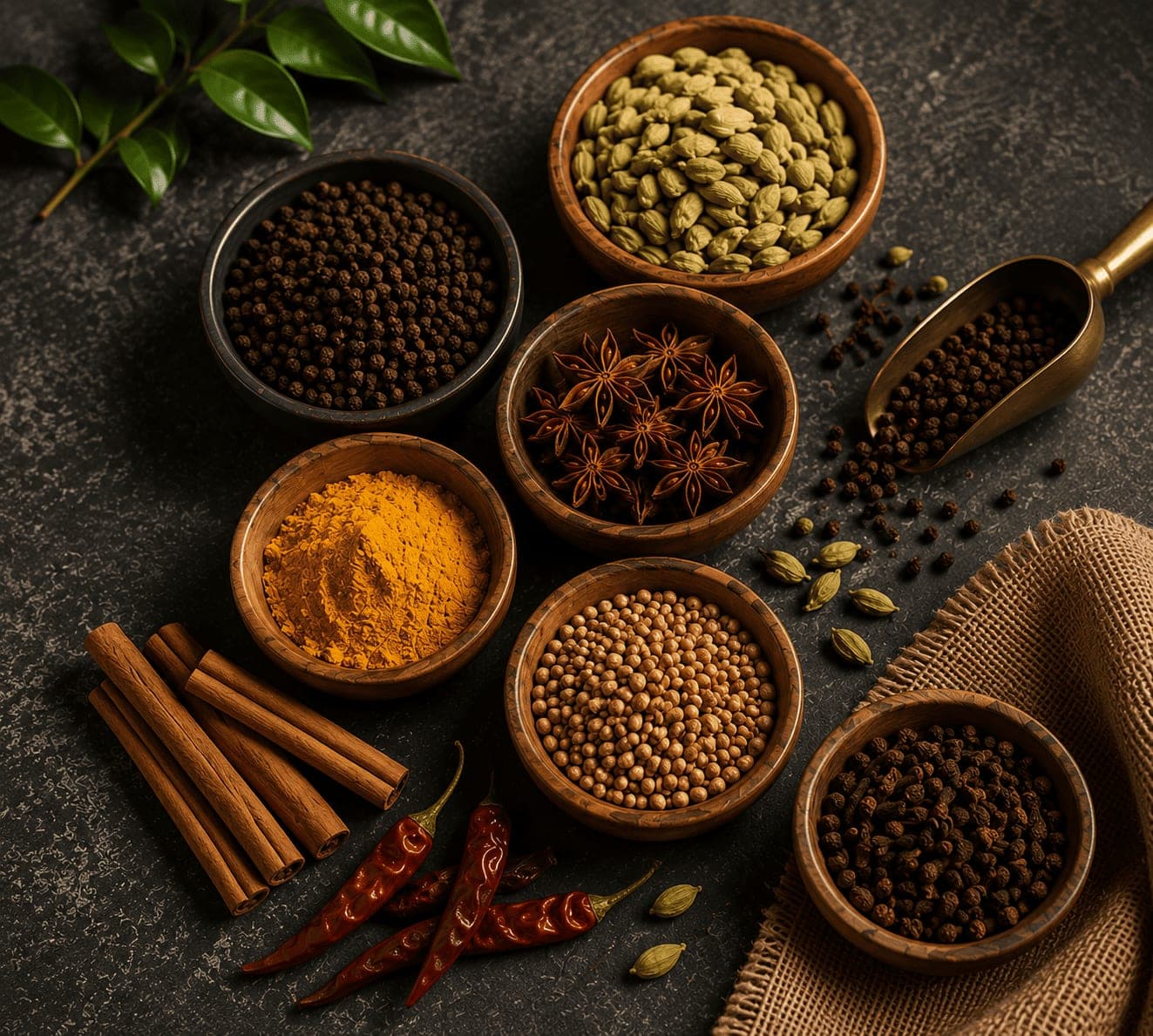
Green cardamom is one of the world's most valuable spices, often called the 'Queen of Spices' because of its exceptional aroma, flavour, and versatility. However, not all cardamom is the same. When purchasing cardamom—whether for home cooking, retail, food manufacturing, or export—you'll often come across terms like 6 mm, 7 mm, or 8+ mm. These numbers represent the grade of the cardamom, and understanding them is essential for making the right buying decision.
At first glance, it may seem that grading is based only on size. While pod size is one of the most visible factors, professional grading also considers colour, density, moisture content, maturity, cleanliness, and overall appearance. Together, these characteristics determine the spice's quality, market value, and suitability for different applications.
For growers in Idukki, Kerala, grading is more than just sorting. It is a crucial quality-control process that ensures buyers receive consistent products that meet domestic and international expectations. From local households to global spice importers, everyone benefits from standardized grading. In this guide, you'll learn how cardamom is graded, what each size means, why larger pods cost more, and how to select the right grade for your needs.
Why Is Cardamom Graded?
Grading creates consistency across the spice trade. Without standardized grading, buyers would have no reliable way to compare products or determine value. Professional grading helps:
- •Ensure uniform quality within each batch
- •Simplify pricing structures for buyers and sellers
- •Meet strict international export specifications
- •Improve presentation in premium retail packaging
- •Reduce crop waste during final processing
- •Build trust between farmers, suppliers, and customers
Whether you're purchasing one kilogram or one container for export, grading allows you to know exactly what you're buying.
What Determines the Grade of Cardamom?
Although many buyers focus on pod size, experienced traders evaluate several characteristics before assigning a final grade.
1. Pod Size
Pod size is measured using calibrated sieves or mechanical grading machines. Larger pods are generally more desirable because they look attractive and often contain well-developed seeds. Common commercial sizes range from 4 mm to 9 mm.
2. Colour
Fresh, premium cardamom should have a bright, natural green colour. Green pods are preferred in retail and export markets because they indicate careful harvesting and drying. Pods that appear yellowish, pale, or brown may have been over-dried, stored improperly, or harvested at the wrong stage.
3. Density
High-quality pods should feel firm and well-filled. Lightweight or hollow pods usually contain fewer seeds and offer less flavour.
4. Aroma
A strong, sweet, floral fragrance is one of the most important signs of premium cardamom. Buyers often evaluate aroma before finalizing large purchases.
5. Moisture Content
Cardamom must be dried carefully after harvest. Too much moisture increases the risk of mould during storage, while excessive drying can reduce aroma and colour. Properly dried pods have better shelf life and maintain their quality for longer.
6. Cleanliness
Premium batches should contain very few broken pods, stalks, dust, stones, or foreign materials. Clean grading reflects careful handling throughout the supply chain.
Understanding Cardamom Sizes
The size of a cardamom pod is measured by its width using standardized sieves. Larger pods generally receive higher grades because they are visually appealing and often contain more mature seeds. Below are the most common commercial grades.
4–5 mm Grade
- •Characteristics: Small pods, light to medium green colour, economical price.
- •Best Uses: Spice powders, ground garam masala, industrial food manufacturing, large-volume spice blends.
6 mm Grade
- •Characteristics: Medium-sized pods, good aroma, consistent quality, widely available.
- •Best Uses: Everyday home cooking, household tea preparation, family curries, standard retail grocery packs, restaurants.
7 mm Grade
- •Characteristics: Larger pods, excellent visual appeal, strong aroma, high essential oil content, uniform appearance.
- •Best Uses: Premium retail packaging, hotels, fine dining restaurants, gift packs, specialty food stores.
8 mm Grade – The Export Favourite
- •Characteristics: Large, uniform pods, bright green colour, excellent aroma, well-developed seeds, premium presentation.
- •Best Uses: B2B export markets, luxury retail packaging, gourmet food stores, premium spice gift boxes, specialty tea and coffee brands.
8.5 mm to 9 mm Grade – The Premium Selection
- •Characteristics: Extra-large pods, exceptional seed development, rich green colour, maximum essential oil content, limited availability.
- •Best Uses: Luxury export orders, premium corporate gifting, high-end supermarkets, gourmet spice collections.
Is Bigger Always Better?
Many first-time buyers assume that the largest pod automatically represents the highest quality. While size is certainly important, it should never be the only deciding factor. A large pod that has lost its colour or aroma may actually be inferior to a slightly smaller pod that is fresh, fragrant, and properly processed. Professional buyers evaluate size, natural green colour, aroma, moisture content, density, cleanliness, and uniformity together.
Why Larger Cardamom Costs More
The price difference between grades often surprises buyers. Several factors contribute to the premium commanded by larger pods:
- •Limited Supply: Only a small portion of each harvest consists of naturally large pods.
- •Careful Harvesting: Farmers selectively handpick mature capsules in multiple rounds to preserve size and colour.
- •Additional Sorting: Cardamom passes through size sifting machinery and is sorted again manually to remove discoloured pods.
- •Strict Export Standards: Meeting global specifications demands extra quality control, increasing the overall production cost.
Quality Factors Beyond Size
Colour Retention
Premium green cardamom should display a fresh, natural green shade. Overly yellow or brown pods may indicate improper drying, age, poor storage, or excessive heat exposure. Maintaining colour requires careful drying immediately after harvest.
Aroma Strength
Fresh cardamom should release a sweet, floral, slightly citrus-like fragrance as soon as the pod is gently crushed. A weak aroma often suggests older stock or improper storage.
Seed Content & Density
The true value of cardamom lies inside the pod. High-quality capsules contain well-developed, dark seeds rich in essential oils. Pods that feel hollow or unusually light contain fewer seeds and less flavour.
How Cardamom Is Graded
- •Step 1 – Cleaning: Freshly dried cardamom is cleaned to remove dust, stems, leaves, and foreign material.
- •Step 2 – Size Separation: Mechanical grading machines use calibrated sieves to separate pods according to width.
- •Step 3 – Manual Inspection: Experienced workers inspect the batch to remove broken pods, discoloured capsules, or empty skins.
- •Step 4 – Final Packaging: Graded cardamom is packed in moisture-resistant bags to preserve freshness during transit.
Common Myths About Cardamom Grading
- •Myth 1: Larger pods always have more flavour. (Not necessarily. Aroma depends on essential oil content and freshness, not just size.)
- •Myth 2: Bright green colour means artificial colouring. (Premium cardamom carefully dried can retain its green colour without artificial treatment.)
- •Myth 3: Small cardamom is poor quality. (Smaller grades are ideal for grinding and commercial extraction. They simply serve different market needs.)
- •Myth 4: All export cardamom is 9 mm. (Exporters ship different grades depending on the buyer's budget and product requirements.)
Which Grade Should You Buy?
For Home Cooking
If you prepare tea, curries, rice dishes, or desserts at home, 6–7 mm cardamom offers an excellent balance of quality and value. These grades provide rich flavour without the premium price of export-grade pods.
For Restaurants and Cafés
Restaurants choose 7 mm or 8 mm cardamom because it delivers consistent flavour while enhancing the presentation of dishes where whole pods are visible.
For Retail Brands
Retail customers are naturally attracted to larger, greener pods. Many premium spice brands therefore prefer 8 mm and above for consumer packaging. Uniform appearance helps build trust and reflects quality.
For Export
Export buyers specify exact requirements (e.g. pod size, moisture limits, purity, packaging). Premium export orders usually require 8 mm or larger, though many buyers also import 7 mm grades for food processing.
How to Identify Premium Cardamom
- •✓ Bright Green Colour: Fresh cardamom should have a natural green appearance.
- •✓ Strong Aroma: Rub a pod gently; it should release a sweet, floral fragrance almost immediately.
- •✓ Well-Filled Pods: Good cardamom feels firm rather than hollow, indicating mature seeds.
- •✓ Uniform Size: Premium batches show minimal size variation within the package.
- •✓ Clean Packaging: Free from dust, stalks, stones, and excessive broken pieces.
Why Idukki Cardamom Is Preferred
Located in the Western Ghats of Kerala, the Idukki district offers ideal growing conditions—cool mountain climate, high rainfall, fertile forest soil, and shade-grown cultivation. These natural factors, along with generations of spice-growing expertise, help produce green cardamom with vibrant colour, rich aroma, and high essential oil content.
At Spize Spices, we source our cardamom from trusted growers in Idukki who follow careful harvesting, drying, and grading practices to ensure that customers receive cardamom that is fresh, consistent, and true to the region's renowned spice heritage.
Frequently Asked Questions
What does 8 mm cardamom mean?
It refers to the approximate width of the pod after grading. Larger pods are generally considered more premium because of their appearance and market demand.
Which cardamom grade is best?
There is no single 'best' grade. The ideal choice depends on your intended use. Home cooks may prefer 6–7 mm, while exporters and premium retailers often choose 8 mm or larger.
Does a larger pod always have better flavour?
Not necessarily. Flavour depends on freshness, aroma, seed quality, and proper storage, not just size.
Why is green cardamom more expensive?
Green cardamom requires labour-intensive cultivation, manual harvesting, controlled drying, and detailed grading. Larger premium grades are also produced in smaller quantities, increasing their value.
How should graded cardamom be stored?
Store whole pods in an airtight container in a cool, dry place away from sunlight and moisture. Proper storage helps preserve aroma and flavour for many months.
Conclusion
Cardamom grading is far more than a measurement of pod size. It is a comprehensive quality assessment that considers colour, aroma, density, moisture, cleanliness, and consistency. Understanding these grading standards helps buyers make informed decisions, whether they are purchasing spices for home use, retail shelves, restaurants, or international export.
While larger grades such as 8 mm and 9 mm are highly valued for their appearance and export demand, every grade has its purpose. Smaller sizes are ideal for grinding and commercial food production, while medium grades offer excellent value for everyday cooking.
Choosing premium cardamom begins with selecting a trusted supplier who prioritizes careful harvesting, scientific drying, and accurate grading. When sourced from the spice-rich hills of Idukki, Kerala, buyers can expect the freshness, aroma, and quality that have made the region famous across the world.
Cardamom Knowledge Hub & Sourcing
Related Guides
- Kerala vs Guatemala Cardamom: Which is Superior?
- Complete Guide to Cardamom Export from India
- Essential Certifications for Indian Spice Exporters: FSSAI, Spices Board, ISO & More
- How to Buy Wholesale Spices from Kerala, India: A Complete Buyer's Guide
- Why Idukki Cardamom Is World-Famous: The Story Behind India's Finest Green Gold
Product Portfolio
Corporate Sourcing
Source Premium Idukki Cardamom
We work directly with local farms in Kerala to grade, dry, and export the finest bold green cardamom pods worldwide.